
Injection Resource Library
Explore a robust library of videos that range from how-to inject to learning proper site rotation.
How to Inject Insulin with Nano™ 2nd Gen Pen Needles
Learn about the basic step-by-step process of how to inject insulin with a pen and pen needle using the Nano™ 2nd Gen Pen Needle.
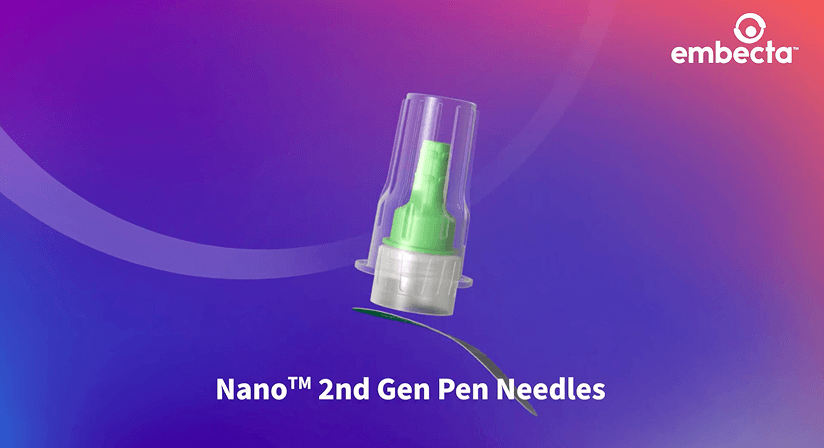
Nano™ 2nd Gen Pen Needles – Experience the Difference of a Contoured Needle Base
Nano™ 2nd Gen Pen Needles have innovative features that can provide an easier, more comfortable injection experience and confidence that the complete dose of insulin has been delivered.1,2* Watch now to see how the right needle can make a difference in your injection experience.
Injection Force Errors – Proper Insulin Injection Technique
Using too much force during an injection can result in accidentally injecting into the muscle layer. See how a pen needle with a contoured base can help.3
Choosing the Right Needle Length for Insulin Injections – Proper Insulin Injection Technique
Discover how to select the right needle length to help ensure proper insulin absorption and a more comfortable injection experience.4
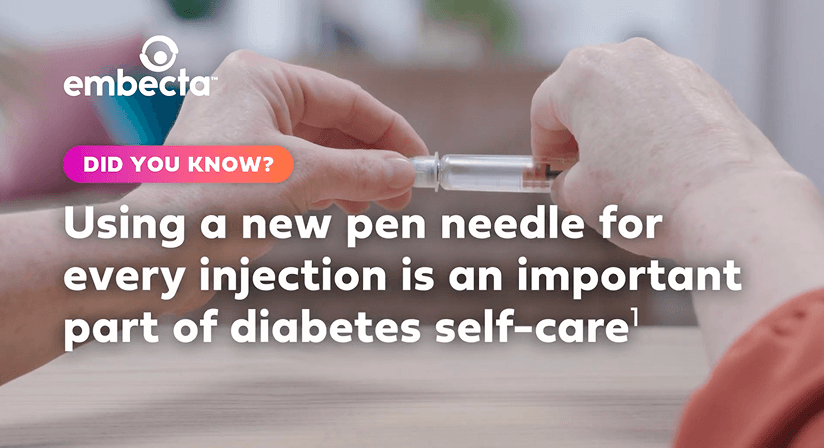
Why You Should Avoid Needle Reuse – Lower the risk of Injection Site Complications
Learn why diabetes experts recommend using a new needle for each injection and how this simple step can improve your diabetes management.4†
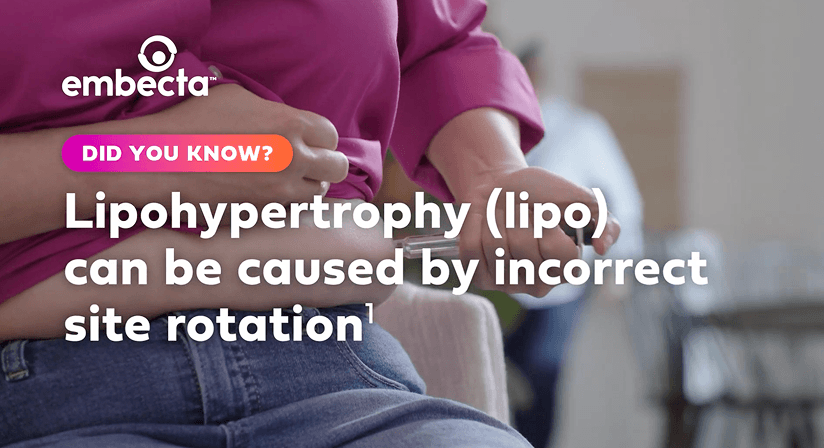
Rotating Injection Sites – Proper Insulin Injection Technique
Discover how to rotate injection sites correctly to help avoid the development of lumps and bumps under your skin, known as lipohypertrophy (lipo).5
Footnotes
*Results from clinical studies assessing patient preferences and feedback.
†These recommendations were informed by a large international survey of current practice and were written and vetted by 183 diabetes experts from 54 countries.
References
1. Whooley S, Briskin T, Gibney MA, et al. Evaluating the user performance and experience with a re-engineered 4 mm x 32G pen needle: a randomized trial with similar length/gauge needles. Diabetes Ther. 2019;10(2):697-712. 2. Aronson R, Gibney MA, Oza K, et al. Insulin pen needles: effects of extra-thin wall needle technology on preference, confidence, and other patient ratings. Clin Ther. 2013;35(7):923-933. 3. Rini C, Roberts BC, Morel D, et al. Evaluating the impact of human factors and pen needle design on insulin pen injection. J Diabetes Sci Technol. 2019;13(3):533-545. 4. Frid AH, Kreugel G, Grassi G, et al. New Insulin Delivery Recommendations. Mayo Clin Proc. 2016;91(9):1231-1255. 5. Blanco M, Hernández MT, Strauss KW, Amaya M. Prevalence and risk factors of lipohypertrophy in insulin-injecting patients with diabetes. Diabetes Metab. 2013;39(5):445-453.
Frequently asked questions
Why does injection technique matter so much?
Proper injection technique can help your insulin work the way it should and may make injections more comfortable. Regular check-ins with your healthcare provider can help you feel more confident and stay on track. Studies show that structured injection technique training can help improve A1C levels.4,5
Why is a 4 mm needle length preferred?
A 4 mm pen needle is long enough to get through the skin to the fat layer beneath (where your medication needs to go) but short enough to avoid the muscle, which can cause pain or even lead to low blood sugar. Research shows that 4 mm needles work just as effectively as longer ones for all adults and children.7
How often should I rotate my injection sites?
Rotate with every injection. Repeatedly using the same spot can lead to thickened or lumpy skin (called lipohypertrophy, or “lipo”), which makes medication absorb unevenly. Give each site about 2–4 weeks before injecting in the same exact spot again.4,5,8
What is lipohypertrophy (“lipo”)?
Lipo refers to firm or rubbery lumps that can form under the skin when the same injection area is used too often. These bumps can change how your medication is absorbed. Regular site rotation and using a new needle each time can help reduce the risk of lipo forming.2,4,5,8
Why should I use a new needle every time?
Using the same needle for multiple injections can make injections more painful.2,10 Reused needles are no longer sterile and when used multiple times can become dull which may increase skin complications.
How much pressure should I use against the skin when I inject?
Gentle, steady pressure is best. Pressing too hard against the skin can cause the needle to go deeper than intended, sometimes into the muscle.2,9,11
How can I tell if I might have injected into the muscle?
If your injection feels unusually painful, leaves a bruise, or bleeds, or if you have low blood sugars (hypoglycemia) for no known reason, you might be injecting into the muscle. Using a 4 mm needle with a contoured base and applying light pressure against the skin can reduce the risk of injecting into the muscle.12
What should I do if I find bumps at my injection sites?
Give those areas a rest and rotate to a new injection site. Avoid injecting into lumps, as it can reduce absorption of the medication and healing. If bumps persist or worsen, speak with your healthcare provider.2,8
How do I know if I'm injecting correctly?
If your injections feel comfortable, your skin stays healthy, and your blood sugar results are where they should be—you’re doing great. Keep practicing good habits, check in with your care team regularly, and revisit the Injection Lab anytime you need a quick refresher.1,2
How can I make sure I don't run out of supplies?
Plan ahead. Keep spare pen needles in your travel kit or bag, and link your insulin and needle prescriptions at the pharmacy so they refill together.
This ensures you always have enough supplies for your injections.
How often should I talk to my healthcare provider about injection technique?
It’s a good idea to talk with your healthcare provider about your injection technique at least once a year, or sooner if you notice pain, skin changes, or other injection problems.7
I've been injecting for years. Why should I change anything now?
A study showed that people with diabetes were making at least 1 mistake in how they inject insulin.1* People with diabetes who received training on how to inject correctly, including using a new needle for every injection, rotating injection sites, and moving to a shorter 4 mm or 5 mm needle, experienced a 1% average reduction in A1C after 6 months.4†
*230 patients with diabetes surveyed as part of a cross-sectional observational behavioral study in Canada.
†16 patients with diabetes on insulin were randomized to 3 intervention groups to assess the change from baseline in A1C at 6 months following structured injection technique training and changing to a shorter needle length (4 mm or 5 mm pen needle). Baseline A1C for all groups was similar (mean: 8.5-8.8% [± 1.4-1.9%]).
Where can I learn more about proper injecting technique?
You can talk to your diabetes educator, doctor, nurse, or pharmacist for personalized injection advice. They may have additional resources to support you.
References
1. Bari B, Corbeil MA, Farooqui H, et al. Insulin injection practices in a population of Canadians with diabetes: an observational study. Diabetes Ther. 2020;11(11):2595–2609. 2. Frid AH, Kreugel G, Grassi G, et al. New insulin delivery recommendations. Mayo Clin Proc. 2016;91(9):1231–1255. 4. Misnikova IV, Gubkina VA, Lakeeva TS, Dreval AV. A randomized controlled trial to assess the impact of proper insulin injection technique training on glycemic control. Diabetes Ther. 2017;8(6):1309–1318. 5. Grassi G, Scuntero P, Trepiccioni R, Marubbi F, Strauss K. Optimizing insulin injection technique and its effect on blood glucose control. J Clin Transl Endocrinol. 2014;1(4):145–150. 7. Klonoff DC, Berard L, Franco DR, et al. Advance insulin injection technique and education with FITTER Forward expert recommendations. Mayo Clin Proc. 2025. 8. Blanco M, Hernández MT, Strauss KW, Amaya M. Prevalence and risk factors of lipohypertrophy in insulin-injecting patients with diabetes. Diabetes Metab. 2013;39(5):445–453. 9. Blanco M, Hernández MT, Strauss KW, Amaya M. Prevalence and risk factors of lipohypertrophy in insulin-injecting patients with diabetes. Diabetes Metab. 2013;39(5):445–453. 10. Frid AH, Hirsch LJ, Grassi G, et al. Worldwide injection technique questionnaire study: population parameters and injection practices. Mayo Clin Proc. 2016;91(9):1212–1223. doi:10.1016/j.mayocp.2016.06.011 11. Hirsch LJ, Gibney MA, Berube J, Manocchio J. Impact of a modified needle tip geometry on penetration force and perceived pain in subjects with diabetes. J Diabetes Sci Technol. 2012;6(2):328–335. 12. Rini C, Roberts BC, Morel D, et al. Evaluating the impact of human factors and pen needle design on insulin pen injection. J Diabetes Sci Technol. 2019;13(3):533–545.
Glossary
A1C
A blood test that measures your average blood sugar over about three months.
Absorption
The process of your medication entering your bloodstream after an injection. Proper technique, site rotation, and needle choice help ensure even and consistent absorption.1,2
Alcohol Swab
A small pad soaked in alcohol, used to clean your skin before an injection. It helps prevent infection by removing bacteria from the surface of your skin.2
Contoured Base
A pen needle design with a larger, curved or rounded base that distributes injection force more evenly, helping to lower the risk of pain and accidental injection into the muscle due to its larger surface area.7,12
Fat Layer (Subcutaneous Tissue)
The layer of fat just under your skin where insulin and GLP-1 medications should be injected. When medication is injected into this layer, it is absorbed at a steady rate.2
GLP-1 (Glucagon-Like Peptide-1) Medication
A type of injectable medicine that helps lower blood sugar and support weight management in people with type 2 diabetes.16
Injection Force
The amount of pressure applied when pressing the pen against your skin. Too much force can push the needle into the muscle.12
Injection Site Rotation
Changing your injection spot each time you inject to allow your skin to heal and to help your medication absorb properly. Site rotation can help reduce the risk of lipohypertrophy (lumps under the skin).4,5,8
Insulin
A hormone that helps move glucose (sugar) from your blood into your cells for energy. People with diabetes may take insulin by injection when their body doesn’t produce enough on its own.16
Lipohypertrophy (Lipo)
Lumps or thickened spots that form under the skin when you inject in the same place too often. Rotating injection sites and using a new needle each time can reduce the risk of getting lipo.2,7,8
Needle Length
The distance from the needle’s tip to its base. Shorter needles (like 4 mm) are safer and more comfortable because they reach the fat layer but reduce the risk of injecting into the muscle.7
Needle Tip Design (Bevels)
The shape of the needle’s point can affect comfort. 5-bevel needles have more cuts into them, making them sharper and smoother to insert.7
Needle Wall Thickness
The thinner the needle wall, the more space inside, allowing the medication to flow more easily than with thicker needle walls. Ultra-thin wall needles are recommended, as they have the largest opening inside. This allows the medication to flow through easier and has been shown to give patients more confidence they have received the full dose of the medication.7
Pen Needle
A small, single-use needle that attaches to an insulin or GLP-1 pen. It delivers medication through the skin into the fat layer.2
Priming
The process of preparing your injection pen before use. You dial a small dose (usually 2 units) and press the button until you see a drop of medicine appear at the tip. This ensures a proper connection between the pen and the needle and that any air bubbles are cleared, so your full dose will be delivered.2
Reuse (Needle Reuse)
Using a pen needle more than once. Reuse increases pain, dulls the needle, and causes skin irritation. Needles should be used only once.7
Sharps Container
A puncture-proof container for safely disposing of used needles. Never throw used pen needles in the trash or recycling bin.2
Skin Lift (Pinch-Up Technique)
A method used by some patients to avoid injecting into muscle. You gently pinch a fold of skin/fat before injecting. This is done to reduce the risk of injecting into the muscle for those with little body fat or those who use a longer needle. Most adults using a 4 mm needle don’t need to lift the skin.2,6
Subcutaneous Injection
An injection into the layer of fat just beneath the skin. This is the correct site for insulin and GLP-1 medications.2,7
References
1. Bari B, Corbeil MA, Farooqui H, et al. Insulin injection practices in a population of Canadians with diabetes: an observational study. Diabetes Ther. 2020;11(11):2595–2609. 2. Frid AH, Kreugel G, Grassi G, et al. New insulin delivery recommendations. Mayo Clin Proc. 2016;91(9):1231–1255. 4. Misnikova IV, Gubkina VA, Lakeeva TS, Dreval AV. A randomized controlled trial to assess the impact of proper insulin injection technique training on glycemic control. Diabetes Ther. 2017;8(6):1309–1318. 5. Grassi G, Scuntero P, Trepiccioni R, Marubbi F, Strauss K. Optimizing insulin injection technique and its effect on blood glucose control. J Clin Transl Endocrinol. 2014;1(4):145–150. 6. Gibney MA, Arce CH, Byron KJ, Hirsch LJ. Skin and subcutaneous adipose layer thickness in adults with diabetes at sites used for insulin injections: implications for needle length recommendations. Curr Med Res Opin. 2010;26(6):1519–1530. 7. Klonoff DC, Berard L, Franco DR, et al. Advance insulin injection technique and education with FITTER Forward expert recommendations. Mayo Clin Proc. 2025. 8. Blanco M, Hernández MT, Strauss KW, Amaya M. Prevalence and risk factors of lipohypertrophy in insulin-injecting patients with diabetes. Diabetes Metab. 2013;39(5):445–453. 11. Hirsch LJ, Gibney MA, Berube J, Manocchio J. Impact of a modified needle tip geometry on penetration force and perceived pain in subjects with diabetes. J Diabetes Sci Technol. 2012;6(2):328–335. 12. Rini C, Roberts BC, Morel D, et al. Evaluating the impact of human factors and pen needle design on insulin pen injection. J Diabetes Sci Technol. 2019;13(3):533–545. 16. American Diabetes Association Professional Practice Committee. Standards of Care in Diabetes—2026. Diabetes Care. 2026;49(Suppl 1):S1-S350. doi:10.2337/dc26-SINT.